This course pushed me to think differently about how people learn through media. Looking back, every weekly assignment built on the last one, and I walked away with a much clearer sense of how design, storytelling, and technology all connect in education. Here’s how I met each learning outcome.
Contextualize how learning informs interactive and multimedia experiences
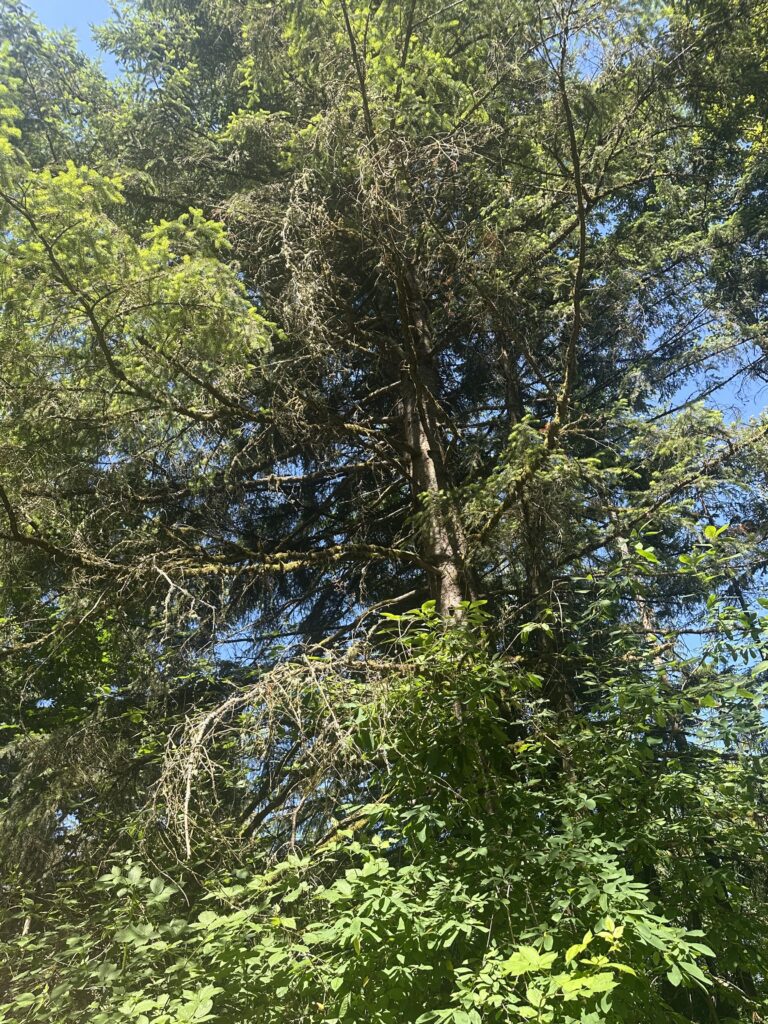
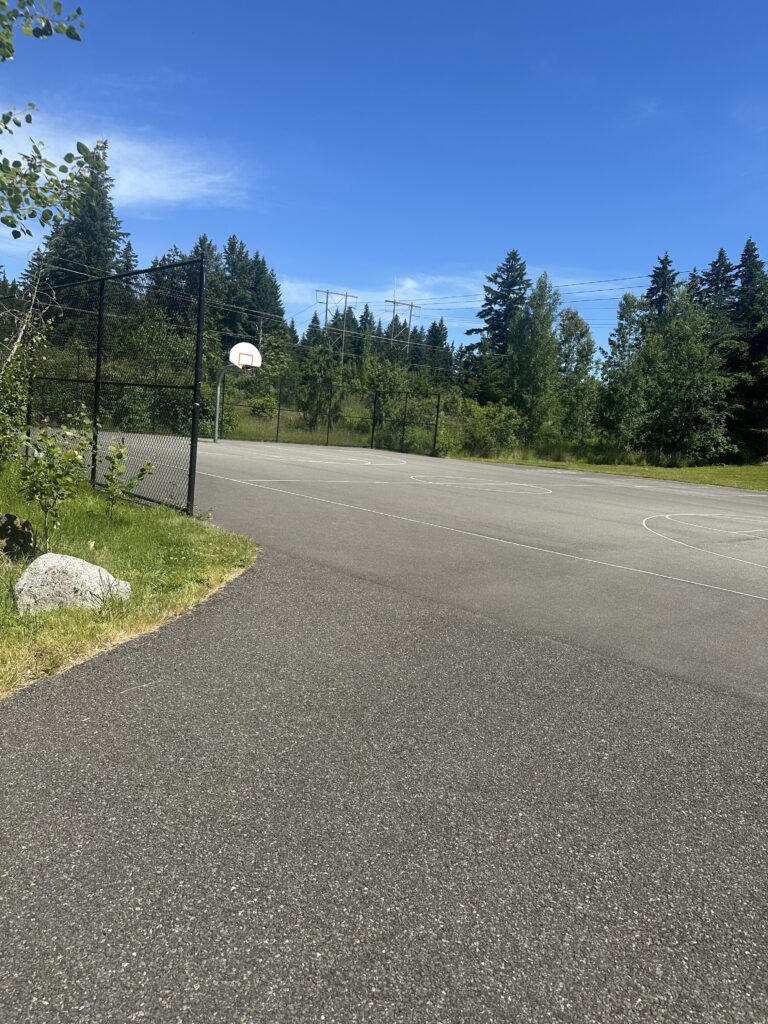
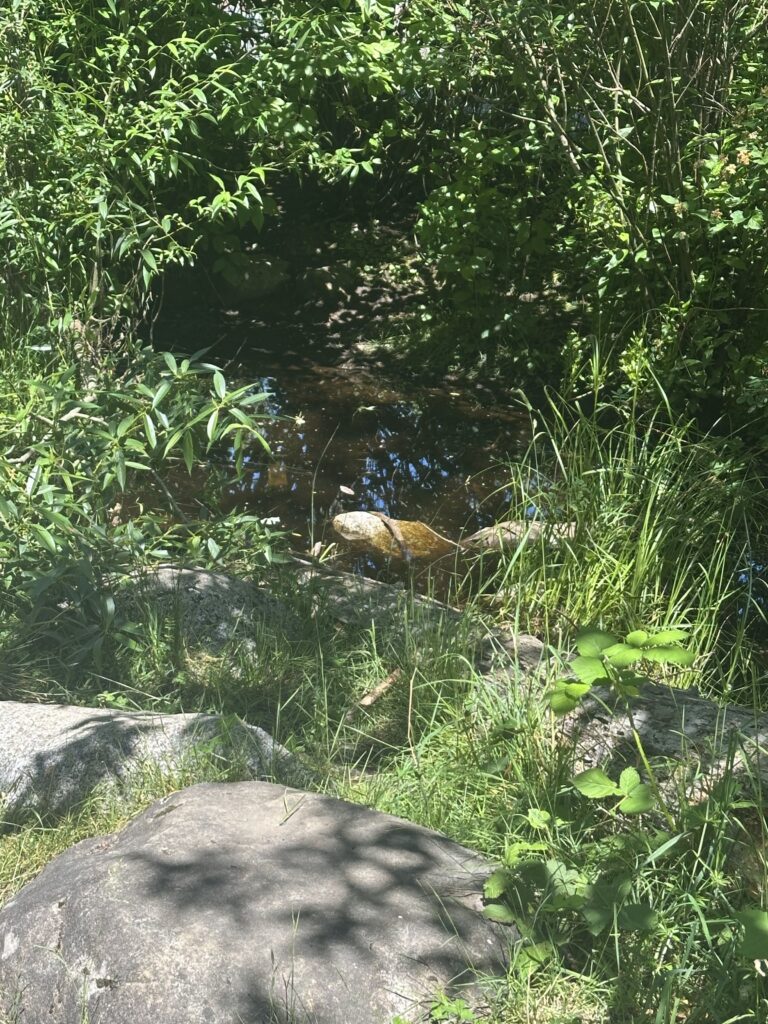
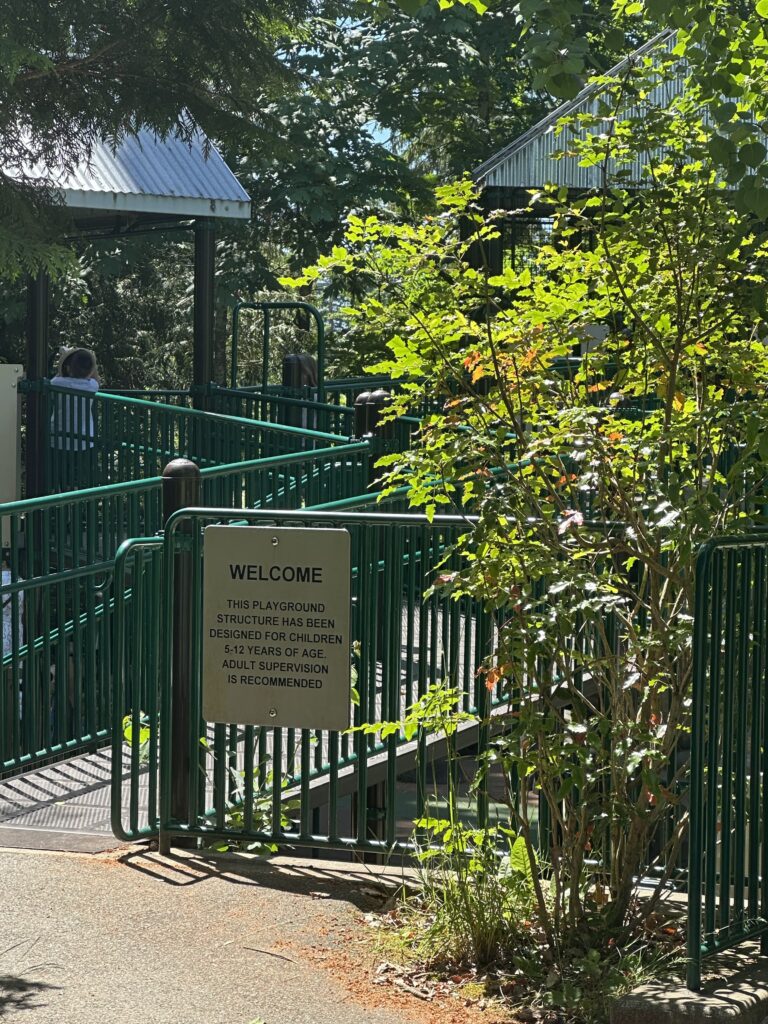
One of the biggest takeaways from this course was understanding that multimedia isn’t just about making things look nice, but it’s about how people actually process information. Through my multimedia story draft and the final multimedia story, I learned to think about the learner first. What are they seeing? What are they hearing? How do those two things work together? Planning a walk through a local park as a multimedia experience forced me to think about how the environment itself becomes a learning context, and how combining audio, visuals, and narration creates something better than any single format alone.
Apply multimedia design principles in planning your educational resources
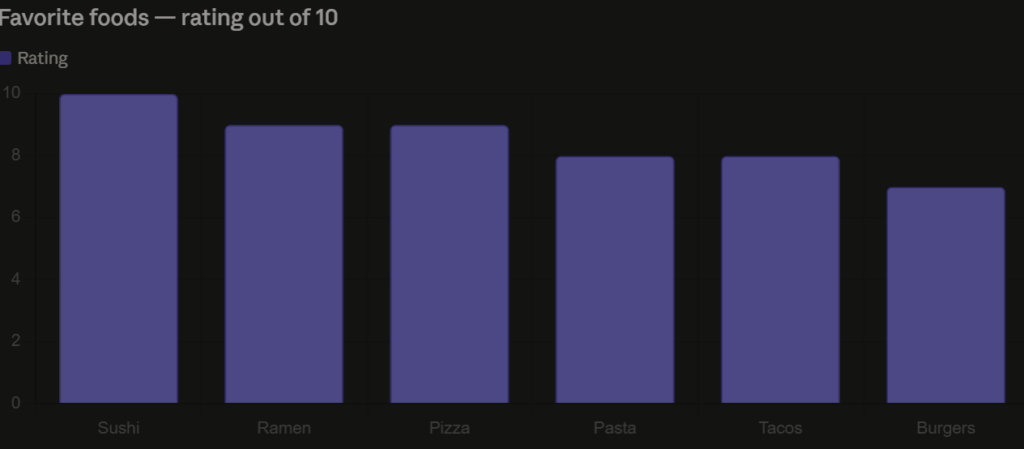
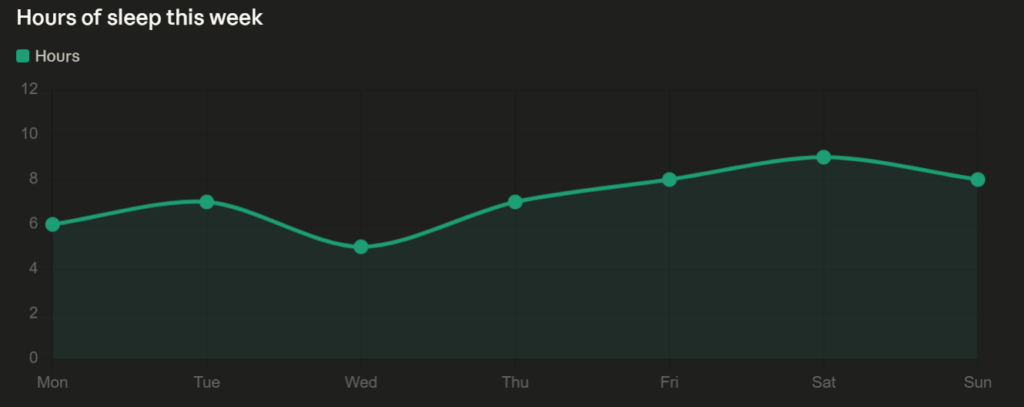
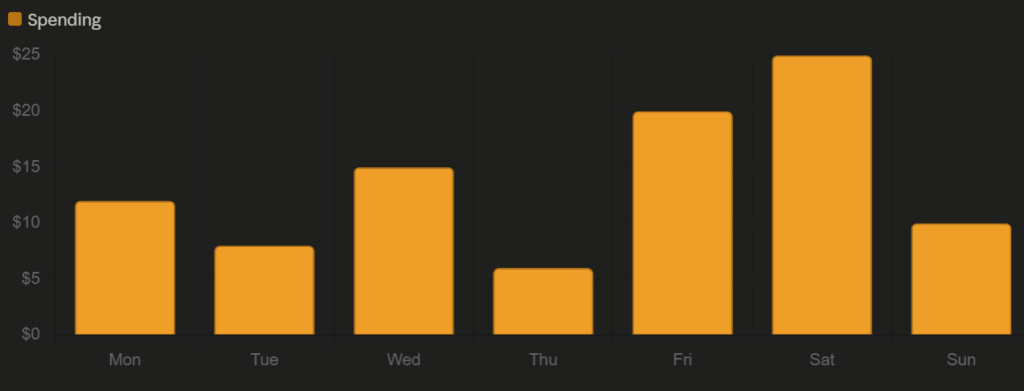
Mayer’s multimedia learning principles were honestly the hardest part of this course for me to wrap my head around at first. Terms like modality, contiguity, and coherence felt new until I actually had to apply them to my own work. Once I started planning my multimedia story, things clicked. I realized contiguity means putting related words and images close together in time, and coherence means cutting anything that doesn’t add to the message. I also applied these principles in my data visualization post, where I matched each dataset to the chart type that best communicated its story, rather than just picking whatever looked cool.
Engage in design thinking to create multimedia learning projects
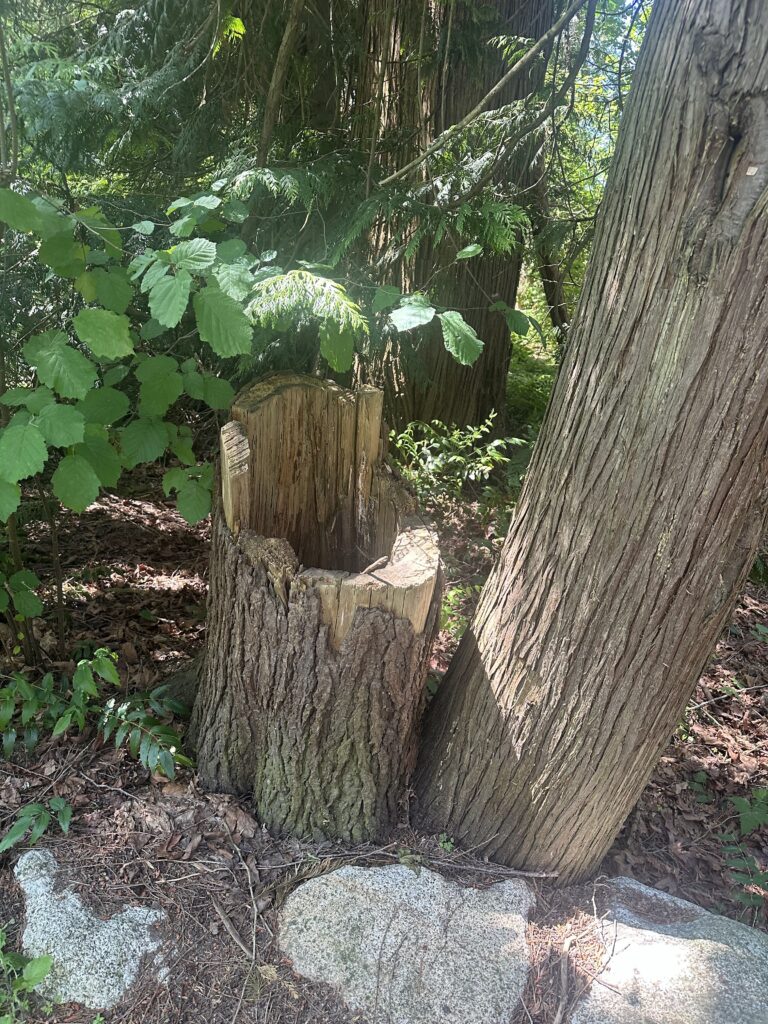
Design thinking showed up most clearly in how I approached the Daily Creates each week. I was making choices about format, tone, and what would actually communicate something meaningful. In my image week post, I learned that adding even a simple text overlay or audio layer to a photo changes how it lands for the viewer. That’s a design decision. In my video week post, I had to think about pacing, framing, and what to include versus what to cut.
Apply storytelling principles in creating effective learning opportunities
Storytelling was something I thought I understood before this course, but applying it to educational content made it more intentional. My multimedia story follows a clear beginning, a journey through the park, and a moment of reflection at the end. That structure wasn’t an accident. I learned that good educational content needs a narrative spine; it’s just information with no reason to care. My text week post also pushed me to tell answers to creative prompts from TDC, which was a way to practice building a narrative quickly.
Describe and apply principles of effective interactive multimedia design
This outcome came together across the whole course, but it really clicked during the later weeks. Effective multimedia design means the format serves the content, not the other way around. In my audio week post, I learned that sound alone can carry a lot of meaning, but it works best when paired with context. In my data visualization post, I applied this by using bar charts for comparisons and a line chart for trends over time. Each choice was intentional and based on what would be clearest for someone seeing the data for the first time.
6. Generate a variety of prototype artifacts, including comics, videos, and web pages
Across the course, I created a range of artifacts, including written pieces, audio recordings, images with layered media, and videos. My video week post was probably the most challenging to produce because video editing was new to me, and getting the pacing right took a few tries. My image week post taught me how to layer simple elements onto a photo to add meaning, something that sounds basic but actually took some trial and error to get right.
7. Use GenAI appropriately as a tool to support creative activities
I used Claude throughout this course as a brainstorming tool. When I was stuck on how to frame a reflection or wasn’t sure how a Mayer principle connected to something I made, I’d talk it through with Claude to get unstuck. The ideas and the artifacts were mine, but having an AI to bounce things off of made the process faster and less frustrating. I think that’s what appropriate GenAI use looks like —it supports the thinking without replacing it. I made all the creative decisions, did all the recording and filming, and wrote the final versions of everything. Claude helped me get there.
Challenges I Faced
This course had a learning curve. Mayer’s principles were the hardest thing for me to internalize. I kept reading the definitions, but they didn’t feel real until I was actually planning a multimedia project and had to justify every design choice. Video editing was also a new territory. Getting footage, trimming it, and making it feel nice took way longer than I thought it would. And something as simple as adding audio or text to an image turned out to be trickier than expected. Figuring out the right tools and getting the output to look clean took real trial and error.
How This Applies to My Future
I’m studying computer science at UVic with a focus on AI and machine learning, and I’m planning to build systems that people actually interact with. This course made me think about the human side of that work in a way that pure CS coursework doesn’t always cover. If I’m building an AI tool or an educational platform, understanding how people process information, what makes content accessible, and how storytelling makes ideas stick. The principles I learned here aren’t just for education majors. They apply to any product or system designed for people to use and learn from. I’ll carry that with me into every project I work on.
References
- Mayer, R. E. (2009). Multimedia learning (2nd ed.). Cambridge University Press.
- DS106 Daily Create — https://daily.ds106.us
- EDCI 337 Course Site — https://cmadland.github.io/edci337/
- Sneh Duggal Blog — https://snehduggal.opened.ca