
What Is Open Pedagogy?
Most assignments follow the same pattern: write it, submit it, never see it again. Open pedagogy challenges that. Instead of creating work that disappears into a dropbox, learners produce things that live in the real world and actually mean something to someone outside the classroom.
David Wiley describes this through the idea of renewable assignments, work that has value beyond the course. The opposite is a “disposable assignment,” something only your professor ever reads. Open pedagogy shifts learning from private consumption to public contribution. Content is freely shared under Creative Commons licensing, learners have real agency over what they create, and work is published for a real audience rather than just graded.
In technology-mediated environments, specifically, this matters a lot. The tools and platforms we choose are not neutral; hosting something on a public WordPress site versus submitting a PDF to Brightspace sends a completely different message about who the work is for.
How It Aligns With Our Topic
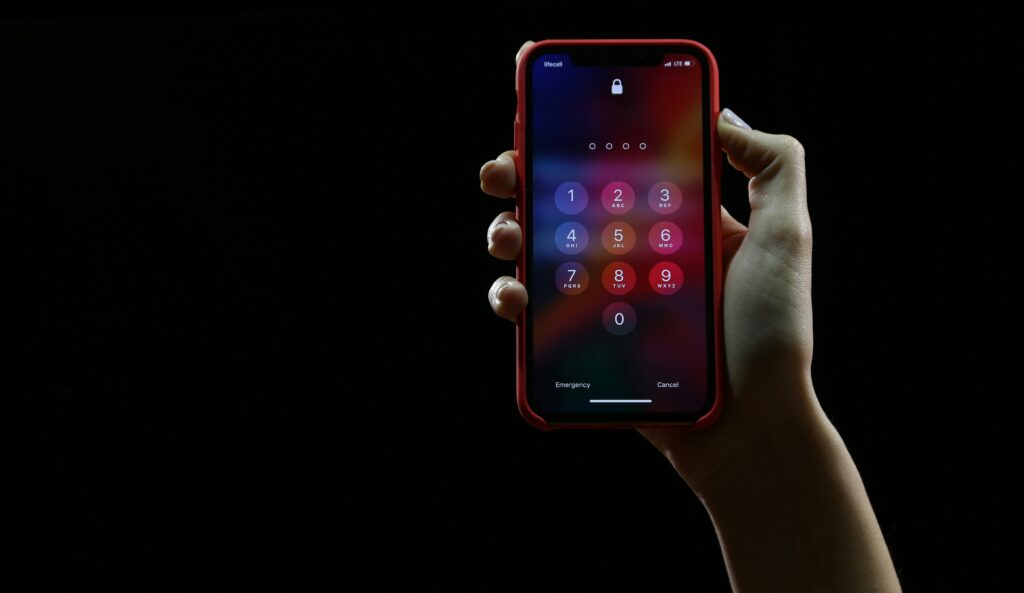
Our group is teaching how passwords are stored, hashing, salting, and digital security. Open pedagogy fits naturally here because digital security literacy benefits everyone, not just students enrolled in a course.
We plan to host resources publicly on WordPress so that anyone can find and learn from them. That is open pedagogy in practice. The way we designed, like the Crack the Hash Challenge using CrackStation.net, also reflects these value, learners experiment with real tools and draw their own conclusions rather than passively absorbing definitions. Choosing free public tools like HaveIBeenPwned instead of paywalled software reinforces openness at every level of the design.
Comments
Reference
Wiley, D. (2013). What is open pedagogy? Iterating toward openness.
sunnyskies
11 June 2026 — 10:45 am
Hi Sneh, I really enjoyed reading your post. What a cool topic for the learning design blueprint, I can’t wait to check it out myself! I specifically agree with what you said about “disposable assignments”, I have forgotten so many topics I have learned about because it felt like a one and done thing. I knew that only my professor would review it, maybe I’ll ask a close friend to proof read it and share their opinion, or ask whether they understood my point. But after their review, I would never have to look at it again. The concept of open pedagogy is refreshing, and it’s true that a public contribution sends a completely different message. I do wonder if it has the potential to put even more pressure on the student though, especially if most of their assignments are publicly shared. It creates a sort of social pressure that’s not really there when only the professor has to review your efforts. Both strategies have something to think about. Thank you for a great post!